
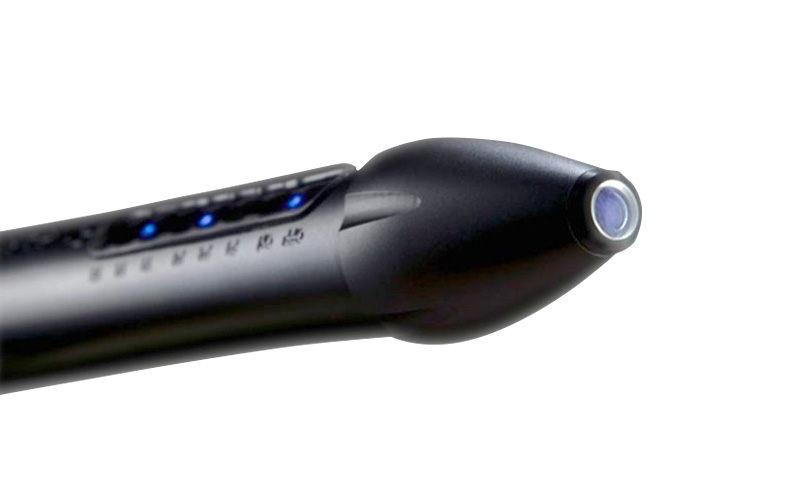
Since 2020 the clinic has used a diode laser (LLLT, Hyperpulsed mode) to support recovery in selected acute and chronic foot conditions.
Since 2020 the clinic has had a low-level diode laser (LLLT) to support pain relief, reduce inflammation and stimulate repair of soft tissues in the foot and ankle. It is used as part of a clinical plan, not as the only therapeutic gesture. This note is the technical frame of the unit; current use and honest expectations are also in the article Power Laser Pro 500.
Low-level therapy aims to shorten recovery in selected acute and chronic conditions. It can be combined with off-loading, exercise, orthoses or dressings when the diagnosis requires it. It is not a surgical cutting laser, nor a shortcut to ignore footwear or biomechanics.
What it may support
Literature and clinical practice describe a local effect on inflammation and on soft-tissue biology. In clinic we care, practically, about:
- modulating the inflammatory response in a defined area;
- supporting flow in the treated tissue;
- accompanying repair (including collagen and cellular energy context) when the rest of the plan is in place.
That does not mean the laser “regenerates” any lesion. A tendon still overloaded by a shoe or a jump in load will stay overloaded if the mechanical stimulus does not change.
How the unit works
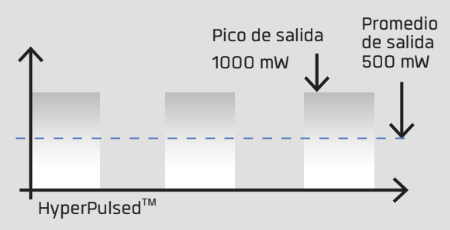
It uses patented Hyperpulsed™ technology. Energy is delivered in high-peak pulses (1000 mW per diode) so average output power is 500 mW (50 % duty cycle), avoiding excessive heating of the area. That is why a pulsed mode is used: a useful dose without cooking the surface tissue.
Parameters (site, time, number of sessions) are decided by the clinician, not by a poster. Chronic fasciitis does not receive the same scheme as a sprain at the right stage or soft-tissue support after a procedure.
Indications we consider
After examination it may be considered for plantar fasciitis, metatarsalgia, sprains at an appropriate stage, Achilles tendinopathy, capsulitis, Morton’s neuroma, sesamoiditis, post-procedure soft-tissue recovery and soft-tissue pain associated with hallux valgus. The list is a map of situations where a local stimulus can make sense if the diagnosis fits — not a menu.
Suitability depends on contraindications, skin, infection or open wound, and whether the rest of treatment (footwear, off-loading, metabolic control in a diabetic foot) is covered. If your foot or tendon hurts and you want to know whether laser adds anything in your case, book via contact.
Description of equipment available in clinic. Indication is individual and confirmed at the visit.
General information: this does not replace an individual podiatry assessment.
Back to journal
Comments
No comments yet.
Leave a comment
Your comment will be reviewed before it appears.